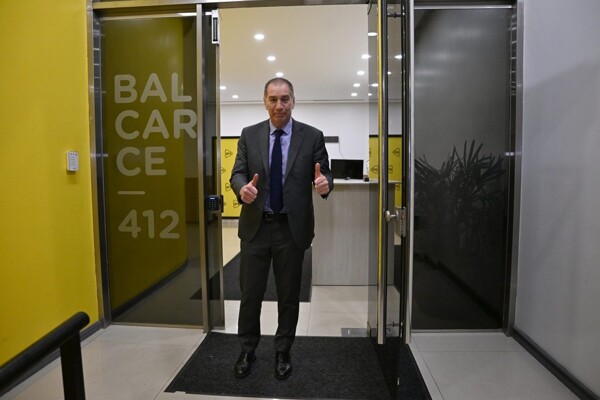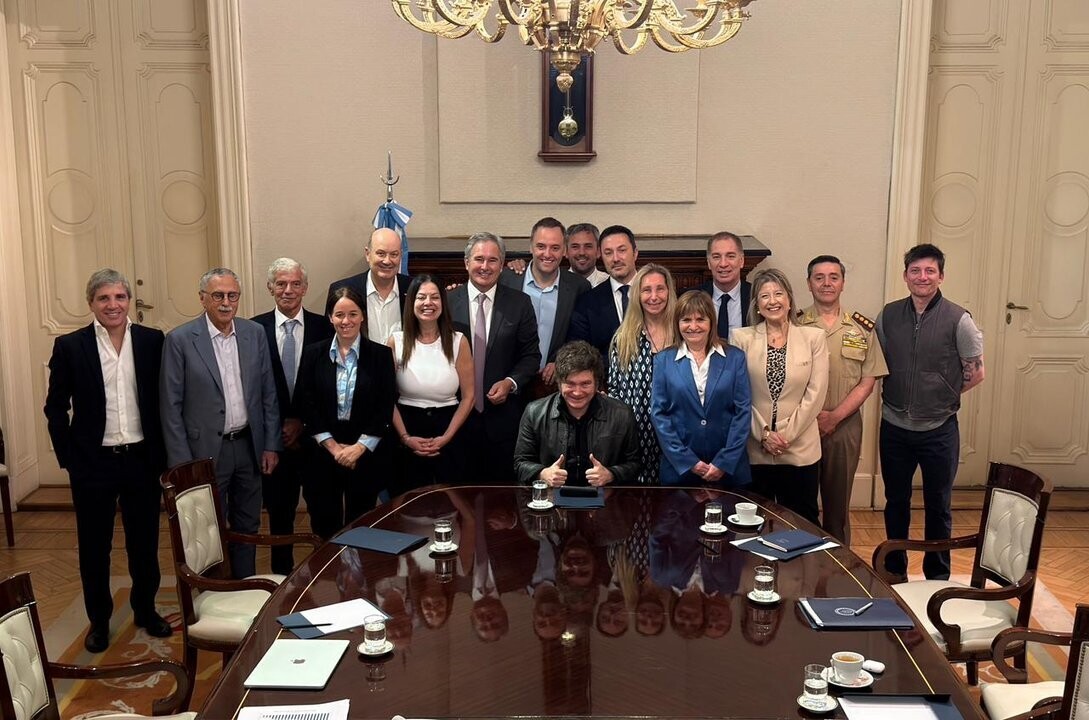
This week, the national government will launch the legislative machinery to ensure the approval of its reform package during the extraordinary February sessions. In Balcarce 50, they assure they have the necessary votes to 'shield' the projects in the Upper House, relying on the management of the head of the 'La Libertad Avanza' bloc, Patricia Bullrich. However, the fiscal front remains open. The government will present a counter-proposal for the reduction of the tax on Profits for corporations, for now ruling out compensations outside the Budget, such as specific public works. Despite the European Parliament halting the ratification of the interregional agreement, the Javier Milei administration maintains its stance of moving forward without waiting for Brussels. 'We will treat it the same regardless of what happens in Europe,' they say in the halls of the Government House, aiming to make Argentina the first country to internally validate the treaty. The legislative strategy seeks to replicate the 2026 Budget scheme: centralize the dialogue at the political table to avoid 'parallel deals', delegating the fine-tuning of the vote to Bullrich (Senate) and Martín Menem (Chamber of Deputies). The main novelty in the official roadmap is the change in strategy regarding the international trade agreement: according to what Argentine News Agency learned, it is 'highly probable' that the Executive will decide to send the 'Mercosur-European Union' agreement directly to the Senate, giving up on the original idea of entering it through the Chamber of Deputies. This decision will be finalized this Monday, when the Chief of Staff, Manuel Adorni, meets with the political table to align the interlocutors of the ruling party and close ranks before the start of the sessions on February 2. The voting calendar and the negotiation with governors In the Casa Rosada, they manage an ambitious schedule. The Minister of the Interior, Diego Santilli, will intensify meetings with 'dialogist' governors — after meetings with Sáenz, Frigerio, Figueroa, and Weretilneck — to unblock tensions over tax changes. The intention is to bring the labor reform and the modification of the Glaciers Law to the Senate chamber on February 12, to then seek its sanction in the Chamber of Deputies on the 19th.